The farm at Rawcliffe Bridge
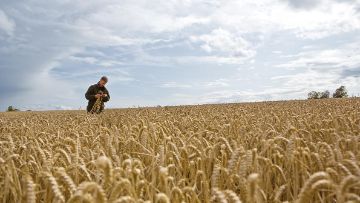
The Hinchliffe’s farm has a wheat-based rotation and much of the wheat is grown under contract for seed.
Most of the soil is known as ‘warp land’, a highly fertile alluvial plain extending to depths of between 10-18 inches resultant of intentional flooding from the adjacent Dutch River sometime between 1820 and 1850.The result is that it is perfect for growing some of the best quality wheat in the UK; because of this it is used for extensive fungicide, seed treatment and wheat variety trials (averaging 24 varieties every year) in a joint venture between BASF and leading plant breeders.
Improving biodiversity is just part of the objective of demonstrating sustainable intensification of cropping at Rawcliffe Bridge and The Grange. Best practice agronomy using current technology and techniques drives profitable crop production and the same technology and techniques can be used to improve biodiversity. Effectively managed crop production and improved biodiversity are a powerful and socially responsible combination; they are both key drivers in managing sustainable intensification of farming.